
When the cornea matters, experience matters more
Patients with co-existing anterior segment disease require a different level of surgical planning, precision, and judgment. This is where my practice is deliberately focused.
I am an ophthalmologist with a long-standing subspecialty background in corneal and anterior segment disease, combined with extensive experience in cataract surgery. This dual expertise allows cataract surgery to be tailored for eyes where standard approaches increase the risk of refractive surprise, visual compromise, or prolonged recovery.
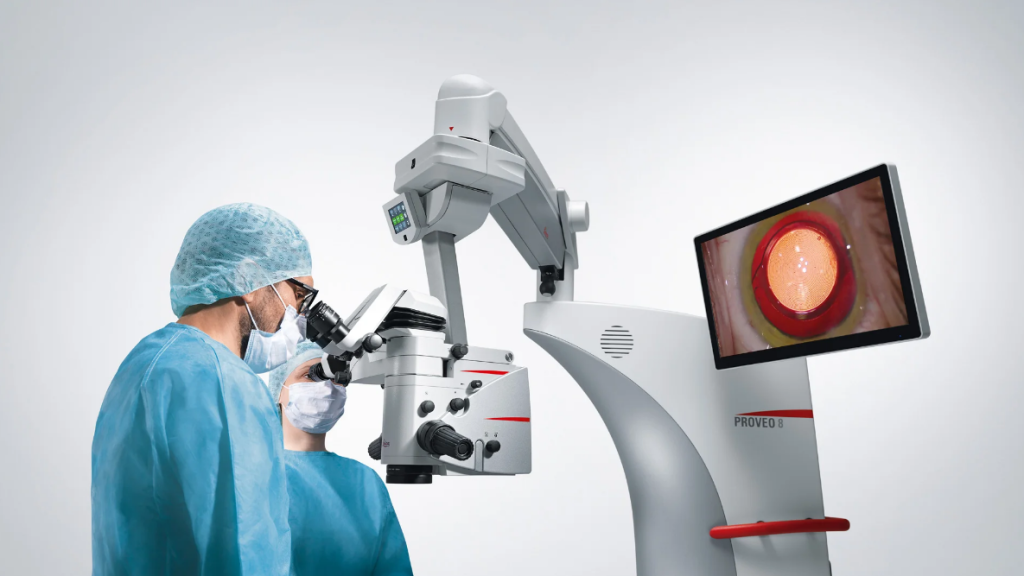
Why complex eyes need a different cataract strategy
In eyes with pre-existing corneal or zonular pathology, cataract surgery is not simply about removing a cloudy lens. It requires:
– Accurate assessment of corneal biomechanics and optics
– Careful interpretation of biometry in irregular corneas
– Judicious IOL selection to avoid postoperative dissatisfaction
– Surgical techniques that respect fragile endothelium and zonules
– A clear plan for shared postoperative care
This is where subspecialist experience translates into safer surgery and more predictable outcomes.
Conditions where this expertise matters
Cataract surgery in Fuchs’ disease demands careful endothelial protection and forward planning.
My approach includes:
– Preoperative endothelial risk stratification
– Surgical techniques that minimise endothelial cell loss
– Honest counselling regarding visual recovery and the potential need for staged corneal intervention
The goal is to maximise vision while preserving corneal clarity for the long term.
Keratoconus significantly alters corneal optics and challenges standard cataract calculations.
I bring:
– Published experience in cataract surgery outcomes in keratoconus
– Conservative, data-driven IOL selection
– Avoidance of refractive over-promise
– Surgical planning that prioritises visual stability over novelty
– Bioptics approach, regularise the cornea first and lock in new shape, secondary simplified IOL selction or imrpoved performance of premium IOLs
This approach reduces postoperative refractive regret and protects long-term visual function.
Often under-recognised, EBMD can significantly affect:
– Keratometry accuracy
– Biometry reliability
– Postoperative visual quality
Identifying and managing epithelial disease before cataract surgery is critical. Addressing the corneal surface first improves IOL accuracy and patient satisfaction.
Pseudoexfoliation is associated with:
– Zonular weakness
– Poor pupil dilation
– Increased intraoperative risk
Experience matters here. Surgical planning accounts for:
– Capsular and zonular instability
– Appropriate use of support devices
– Long-term IOL centration and stability.
Highly myopic eyes carry increased risks, including:
– Biometric inaccuracy
– Retinal vulnerability
– Refractive surprise
My approach emphasises precision, conservative planning, and realistic expectations to protect both vision and ocular health.
Many patients present with more than one of the above conditions
This is where a corneal subspecialty background is particularly valuable. Cataract surgery decisions are made in the context of the entire anterior segment, not in isolation.
Precision cataract surgery — when appropriate
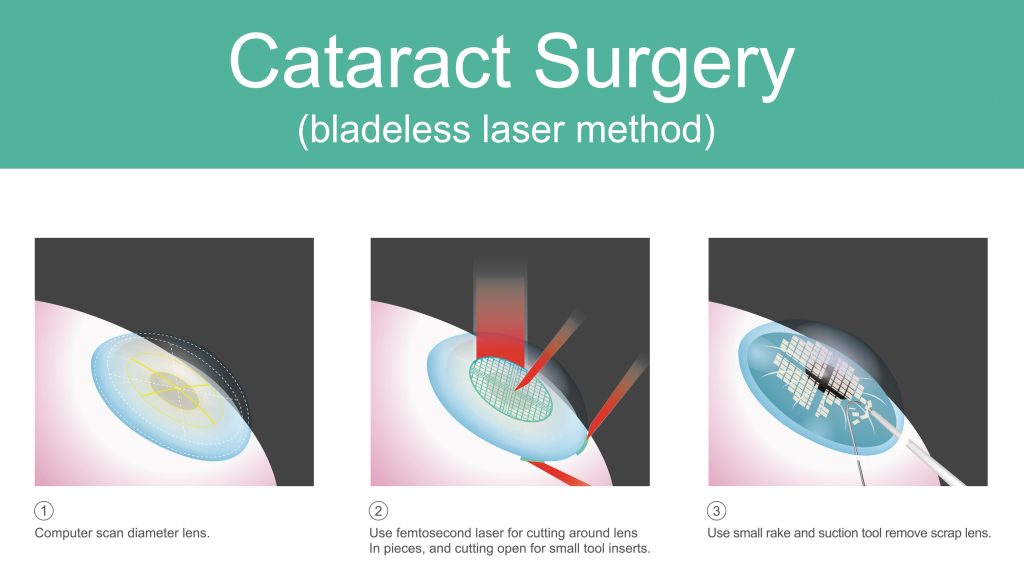
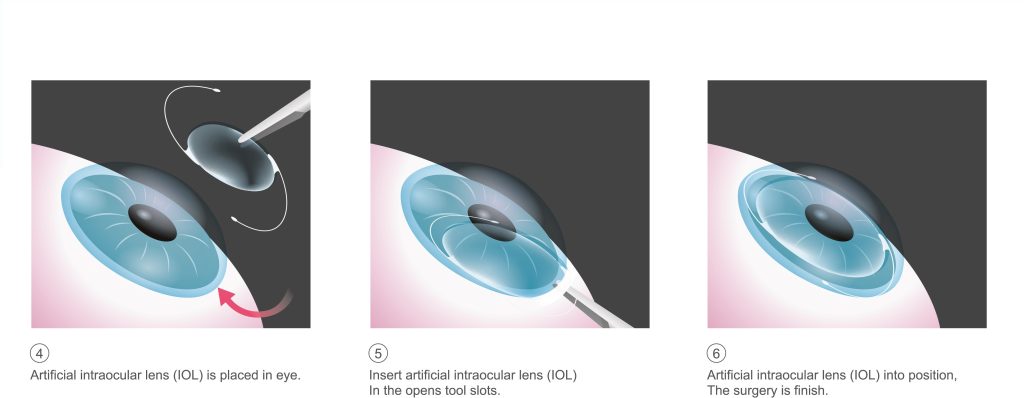
I have access to laser-assisted cataract surgery, which can offer advantages in selected complex cases, particularly where capsulotomy precision and lens centration are critical.
Technology is used selectively and thoughtfully — never as a substitute for sound surgical judgment.
A Measured, Honest Approach
Patients referred for complex cataract surgery can expect:
– Careful assessment and realistic counselling
– Clear explanation of risks and benefits
– Surgical decisions based on anatomy, not marketing
– A commitment to shared care with the referring optometrist
Book Your Cataract Appointment With Us
Take a the first step to clearer vision, and give our friendly team a call!
Contact usFor optometrists and referrers
If you have a patient with:
– Corneal disease and a visually significant cataract
– Uncertain IOL suitability
– Prior refractive or corneal procedures
– A desire for precision without unnecessary risk
I am happy to assess, advise, and return patients to your care with a clear management plan.